
Classical Christian Education
At St. Mark Montessori, we bring together the best of two worlds!
The innovative, child-centered approach of Montessori and the timeless wisdom of Classical Education.
Here, hands-on discovery meets a deep-rooted love for learning. Our Montessori framework nurtures independence, creativity, and curiosity, while the classical tradition fosters critical thinking, eloquent communication, and a profound appreciation for the arts and humanities. Together, they create an enriching environment where children grow not only academically but also morally and spiritually, becoming well-rounded individuals ready to thrive in the world.
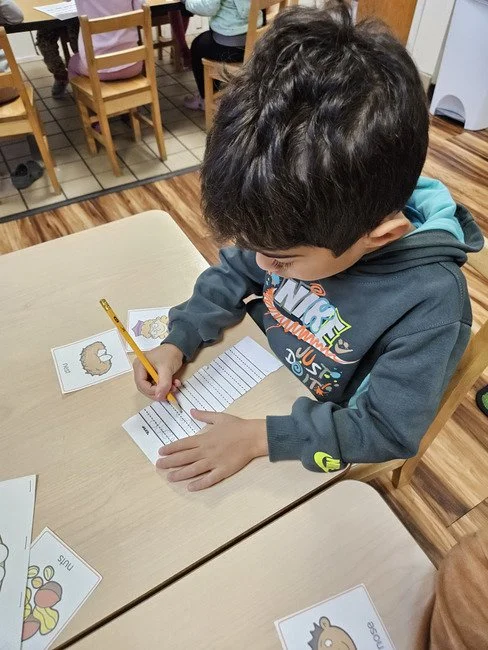
St. Mark Montessori is where modern innovation and timeless tradition come together to create a truly exceptional learning experience.
So Why Classical Christian Education?
Classical education offers a timeless approach to learning, rooted in the enduring principles of truth, beauty, and goodness. At its core, it emphasizes intellectual rigor, moral development, and a love for learning that transcends fleeting trends. This educational philosophy integrates the best of ancient Greek and Roman traditions, fostering a holistic understanding of the world through interconnected subjects like literature, history, science, and theology. By cultivating critical thinking, eloquent communication, and disciplined study habits, classical education prepares students for lifelong learning and meaningful contributions to society.

Classical Christian education adds a spiritual dimension by integrating faith with learning. Inspired by thinkers like Maria Montessori, this approach fosters a love for enduring ideas and deep spiritual engagement. It teaches students to appreciate the wisdom of great books and to apply biblical principles in their studies and lives. The goal is to shape well-rounded individuals who embody both intellectual excellence and moral integrity.
Unlike modern education, which often prioritizes innovation for its own sake, classical education draws from a rich tradition that has been refined over centuries. It values proven methods and enduring content, resisting the "cheap promise of radical newness" in favor of a stable foundation. This approach equips students with the tools to analyze, question, and engage with the world thoughtfully and confidently.
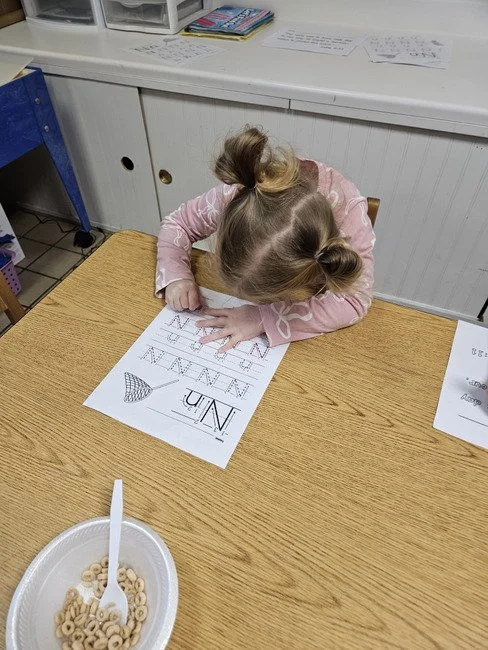
At St. Mark Montessori, we seamlessly blend the Montessori method with classical education principles, creating an environment where children thrive both academically and spiritually. Our classrooms celebrate hands-on discovery, community learning, and a deep respect for the individuality of each child. By combining these two powerful educational philosophies, we prepare students not just for academic success, but for a life of purpose, virtue, and joy

The structure of classical education is centered on the Trivium, a three-part model that aligns with the natural stages of a child's development.

In the Grammar stage (ages 5-11), children focus on foundational knowledge through memorization, language study, and hands-on exploration.

The Logic stage (ages 11-14) introduces critical thinking and reasoning, encouraging students to ask questions and explore relationships between ideas.